
The Architect's Guide to Flexible Stone Veneer

Architects and designers constantly seek materials that combine beauty, durability, and versatility. Flexible stone veneer offers a unique solution that meets these demands while opening new creative possibilities. This guide explores how flexible stone veneer can transform your architectural projects, providing practical insights and examples to help you make informed decisions.
What Is Flexible Stone Veneer?
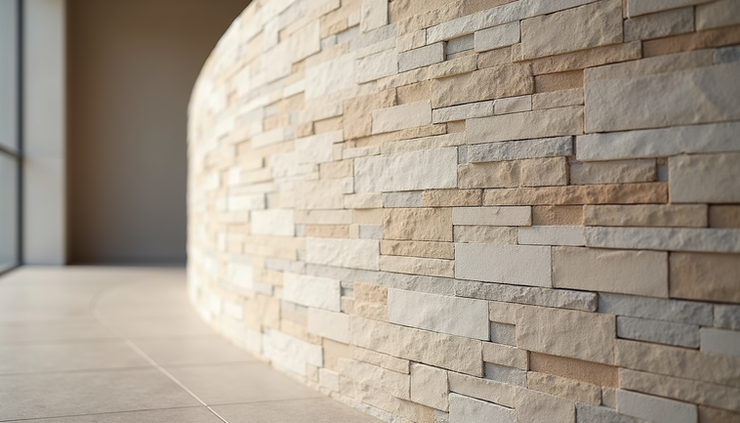
Flexible stone veneer is a thin layer of natural stone, typically less than 5mm thick, bonded to a flexible backing material. This combination allows the stone to bend and conform to curved or irregular surfaces without cracking or breaking. Unlike traditional stone slabs, flexible stone veneer is lightweight and easier to handle, making it suitable for a wide range of applications.
This material retains the authentic look and feel of natural stone while offering enhanced adaptability. It is often sourced from real stone manufacturers, such as Veneer Slate, ensuring genuine quality and appearance.
Advantages of Using Flexible Stone Veneer
Lightweight and Easy to Install
Traditional stone cladding can be heavy and difficult to install, requiring specialised labour and structural support. Flexible stone veneer weighs significantly less, reducing installation time and labour costs. Its flexibility allows it to be applied to surfaces that would be impossible or expensive to cover with rigid stone slabs.
Versatility in Design
Flexible stone veneer adapts to various shapes and surfaces, including curves, arches, columns, and furniture. This flexibility expands design possibilities, enabling architects to create unique, flowing forms that maintain a natural stone appearance.
Cost-Effective Solution
Because it uses thin layers of stone, flexible veneer requires less raw material than full slabs. This reduces material costs and waste. Additionally, the ease of installation lowers labour expenses. For projects with tight budgets, flexible stone veneer offers an affordable way to achieve a high-end stone look.
Durable and Low Maintenance
Despite its thinness, flexible stone veneer is durable and resistant to weather, UV rays, and moisture when properly sealed. It does not fade or deteriorate easily, making it suitable for both interior and exterior applications. Maintenance typically involves simple cleaning and occasional resealing.
Environmentally Friendly Choice
Using less stone material and generating less waste makes flexible stone veneer a more sustainable option compared to traditional stone cladding. Its lightweight nature also reduces transportation emissions.
Practical Applications in Architecture
Flexible stone veneer suits a variety of architectural uses, from residential to commercial projects. Here are some examples:
Curved Facades: Buildings with rounded corners or wave-like shapes benefit from the flexible veneer's ability to conform to curves without visible seams.
Interior Walls: Accent walls, fireplaces, and feature panels gain natural stone texture without the weight or installation challenges of full slabs.
Furniture and Fixtures: Tables, countertops, and cabinetry can be wrapped in stone veneer for a unique look.
Restoration Projects: Flexible veneer can replicate original stone surfaces on historic buildings where weight and thickness are concerns.
Outdoor Features: Garden walls, planters, and outdoor kitchens can be enhanced with stone veneer that withstands weather conditions.
Installation Tips for Best Results
To maximise the benefits of flexible stone veneer, follow these guidelines:
Surface Preparation: Ensure the substrate is clean, dry, and structurally sound. Smooth surfaces work best for adhesion.
Adhesive Selection: Use adhesives recommended by the manufacturer to ensure strong bonding.
Sealing: Apply a high-quality sealant to protect the stone from moisture and stains.
Cutting and Handling: Use appropriate tools for cutting flexible veneer, such as utility knives or scissors, to avoid damaging the stone layer.
Professional Installation: While DIY is possible, hiring experienced installers guarantees a flawless finish and long-lasting results.
Case Study: Transforming a Curved Lobby Wall
A recent project involved redesigning a hotel lobby with a large curved wall. Traditional stone cladding was ruled out due to weight and cost. Flexible stone veneer was chosen for its ability to wrap smoothly around the curve, creating a seamless natural stone surface. The lightweight panels reduced structural load, and installation was completed in half the usual time. The result was a stunning, tactile feature that impressed guests and met budget requirements.
Choosing the Right Stone and Finish
Flexible stone veneer comes in various stone types, including slate, marble, limestone, and sandstone. Each offers distinct colours, textures, and finishes. Consider the following when selecting stone:
Colour Palette: Match the stone colour to the overall design theme.
Texture: Smooth finishes suit modern interiors, while rough textures add rustic charm.
Thickness: Thinner veneers offer more flexibility but may be less durable in high-traffic areas.
Backing Material: Some backings provide extra waterproofing or insulation.
Consult with manufacturers like Veneer Slate to explore available options and request samples before making a final choice.
Maintenance and Longevity
Flexible stone veneer requires minimal upkeep. Regular dusting and gentle cleaning with mild soap and water keep the surface looking fresh. Avoid harsh chemicals that can damage the sealant or stone. Depending on exposure, resealing every few years helps maintain water resistance and appearance.
With proper care, flexible stone veneer can last decades, preserving the natural beauty of stone without the drawbacks of traditional cladding.
Flexible stone veneer offers architects a practical, beautiful, and adaptable material for a wide range of projects. Its lightweight nature, ease of installation, and design flexibility make it an excellent choice for modern architecture. By selecting the right stone type and following installation best practices, you can unlock the full potential of this innovative material.


Comments