
Exploring the Benefits and Applications of Ultra-Thin Stone Veneer Slate

Ultra-thin stone veneer slate has become a popular choice for architects, designers, and homeowners looking for a natural stone finish without the weight and thickness of traditional stone slabs. This material offers a unique combination of beauty, durability, and versatility that suits a wide range of applications. In this post, we will explore what ultra-thin stone veneer slate is, its advantages, practical uses, and tips for installation and maintenance.

What Is Ultra-Thin Stone Veneer Slate?
Ultra-thin stone veneer slate is a natural stone product cut into thin slices, usually between 1/4 inch (6 mm) and 3/8 inch (10 mm) thick. Unlike traditional thick stone slabs, these thin panels are lightweight and easier to handle. The slate is quarried from natural stone deposits and then sliced into veneer sheets that retain the stone’s natural texture, color, and durability.
This veneer is often backed with fiberglass mesh or other reinforcing materials to improve strength and facilitate installation. The thinness allows it to be applied to a variety of surfaces without the need for heavy structural support.
Key Benefits of Ultra-Thin Stone Veneer Slate
Lightweight and Easy to Install
One of the biggest advantages of ultra-thin stone veneer slate is its reduced weight. Traditional stone slabs can weigh hundreds of pounds per square foot, requiring specialized equipment and structural reinforcement. Ultra-thin veneer weighs a fraction of that, making it possible to install on walls, ceilings, and even furniture.
This lighter weight also means installation is faster and less labor-intensive. Contractors can cut and fit the panels with standard tools, reducing project time and cost.
Natural Beauty and Authenticity
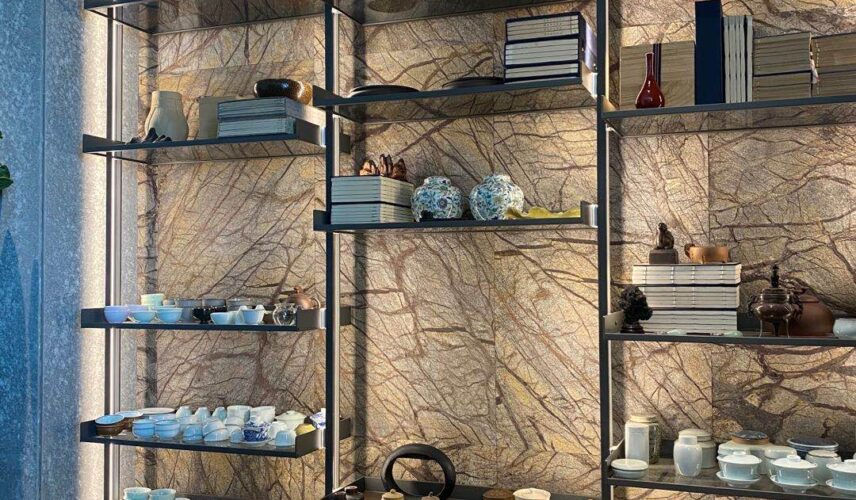
Unlike manufactured stone or synthetic panels, ultra-thin stone veneer is real natural stone. It preserves the unique textures, color variations, and patterns found in slate. This authenticity adds character and elegance to any space, whether indoors or outdoors.
Slate’s natural layering and subtle color shifts create a dynamic surface that changes with light and viewing angle. This makes it a preferred choice for designers seeking a natural, organic look.
Versatility in Applications
Ultra-thin stone veneer slate works well in many settings:
Interior walls: Accent walls, fireplaces, kitchen backsplashes
Exterior facades: Cladding for homes, commercial buildings, garden walls
Furniture: Covering tabletops, countertops, and cabinetry
Bathrooms: Shower walls and vanity surrounds
Its flexibility allows it to be applied to curved surfaces and irregular shapes, expanding design possibilities.
Durability and Low Maintenance
Slate is a durable natural stone resistant to scratches, stains, and weathering. When sealed properly, ultra-thin veneer can withstand moisture and temperature changes, making it suitable for both indoor and outdoor use.
Maintenance is simple: regular cleaning with mild soap and water is usually enough. Unlike some synthetic materials, it does not fade or peel over time.
Practical Applications of Ultra-Thin Stone Veneer Slate
Enhancing Interior Spaces
In interior design, ultra-thin stone veneer slate adds texture and depth to walls without overwhelming a room. For example, a living room fireplace clad in thin slate veneer becomes a striking focal point that feels natural and inviting.
Kitchens benefit from slate backsplashes that resist heat and stains while providing a unique visual contrast to cabinets and countertops. Bathrooms gain a spa-like atmosphere when slate veneer is used on shower walls or around tubs.
Improving Exterior Facades
Homeowners and builders use ultra-thin stone veneer slate to update exterior facades with a natural stone look. It can be applied over existing surfaces such as brick or concrete, avoiding costly demolition.
Slate’s weather resistance ensures that exterior walls maintain their appearance for years. The veneer also adds insulation benefits and can increase property value by enhancing curb appeal.
Custom Furniture and Architectural Features
Designers use ultra-thin stone veneer to create custom furniture pieces like coffee tables or kitchen islands with natural stone surfaces. The thin panels allow stone to be applied where thick slabs would be too heavy or bulky.
Architectural features such as columns, niches, and stair risers can be clad in slate veneer to add subtle elegance and texture.
Installation Tips for Ultra-Thin Stone Veneer Slate
Surface preparation: Ensure the substrate is clean, dry, and structurally sound. Concrete, plywood, or cement board are common bases.
Adhesive selection: Use a high-quality thinset mortar or stone adhesive recommended for natural stone veneer.
Cutting: Score and snap the veneer with a wet saw or angle grinder fitted with a diamond blade.
Sealing: Apply a penetrating stone sealer to protect against stains and moisture. Reapply as needed based on manufacturer instructions.
Grouting: Use grout sparingly if required, matching the color to the stone for a seamless look.
Proper installation ensures the veneer remains secure and maintains its appearance over time.
Maintenance and Care
Maintaining ultra-thin stone veneer slate is straightforward:
Clean regularly with a soft cloth or sponge and mild detergent. Avoid harsh chemicals or acidic cleaners.
Inspect for cracks or loose panels and repair promptly to prevent water infiltration.
Reseal the stone every few years to maintain protection, especially in outdoor or wet environments.
Avoid impact damage by handling furniture or objects near the veneer carefully.
With minimal care, the veneer will retain its natural beauty for decades.
Environmental Considerations
Using ultra-thin stone veneer slate can reduce environmental impact compared to thick stone slabs. The thinner material requires less quarrying and transportation energy due to lower weight. Additionally, many manufacturers source slate responsibly and offer recycled or reclaimed stone options.
Choosing natural stone also avoids synthetic materials that may contain plastics or chemicals, making it a more sustainable choice for eco-conscious projects.
Ultra-thin stone veneer slate offers a practical and attractive way to bring natural stone into a variety of spaces. Its lightweight nature, authentic appearance, and durability make it suitable for walls, facades, furniture, and more. With proper installation and care, this material can transform interiors and exteriors with lasting style and strength.


Comments