
Exploring the Benefits of Flexible Stone Veneer and Slate in Egypt

Egypt’s rich architectural heritage is known for its use of natural stone, from ancient temples to modern buildings. Today, flexible stone veneer and slate offer a fresh way to bring that timeless beauty into contemporary design. These materials combine the elegance of natural stone with practical advantages that suit Egypt’s climate and construction needs.
Flexible stone veneer and slate are gaining popularity across Egypt for both interior and exterior applications. This post explores their benefits, uses, and why they are a smart choice for Egyptian homes and commercial spaces.

What Is Flexible Stone Veneer?
Flexible stone veneer is a thin layer of natural stone, usually slate or other types, bonded to a flexible backing material. This backing allows the stone to bend and curve, making it easier to install on surfaces that are not flat.
Unlike traditional stone slabs, flexible stone veneer is lightweight and can be cut into various shapes. This flexibility opens up new design possibilities, especially for curved walls, columns, and decorative features.
Advantages of Flexible Stone Veneer in Egypt
Lightweight and Easy to Install
Traditional stone is heavy and requires strong structural support. Flexible stone veneer weighs much less, reducing the load on walls and foundations. This makes it easier and faster to install, saving time and labor costs.
Adaptable to Different Surfaces
Egyptian architecture often includes rounded or irregular shapes. Flexible stone veneer can conform to these curves without cracking or breaking. It works well on drywall, wood, concrete, and metal surfaces, making it versatile for various projects.
Durable and Weather-Resistant
Egypt’s climate can be harsh, with intense sun and occasional sandstorms. Flexible stone veneer resists fading, cracking, and erosion, maintaining its appearance over time. It also handles temperature changes well, which is important for outdoor use.
Eco-Friendly Choice
Because flexible stone veneer uses thin slices of natural stone, it requires less quarrying than traditional stone slabs. This reduces environmental impact. Additionally, its lightweight nature lowers transportation emissions.
The Role of Slate in Flexible Stone Veneer
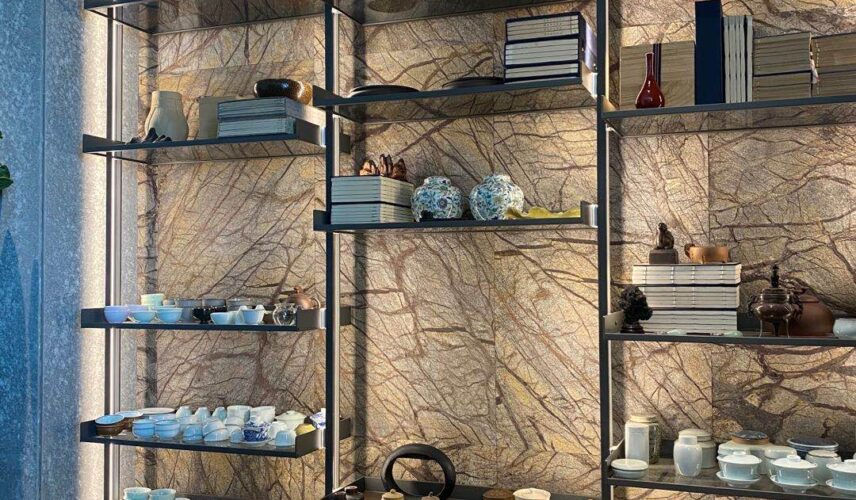
Slate is a popular choice for flexible stone veneer due to its natural beauty and durability. It has a fine grain and rich colors ranging from dark gray to green and purple tones. Slate’s natural cleft surface adds texture and depth to any design.
In Egypt, slate veneer can complement both modern and traditional styles. It pairs well with wood, metal, and glass, creating striking contrasts or harmonious blends.
Common Applications in Egypt
Residential Interiors
Flexible stone veneer is ideal for feature walls, fireplaces, kitchen backsplashes, and bathroom accents. Its natural look adds warmth and sophistication without the weight and cost of full stone walls.
Commercial Spaces
Hotels, restaurants, and offices in Egypt use flexible stone veneer to create inviting lobbies, reception areas, and exterior facades. The material’s durability and ease of maintenance make it practical for high-traffic areas.
Outdoor Landscaping
Garden walls, planters, and outdoor seating areas benefit from flexible stone veneer’s weather resistance. It enhances outdoor spaces with natural stone aesthetics while withstanding Egypt’s sun and dust.
Installation Tips for Best Results
Surface Preparation: Ensure the surface is clean, dry, and smooth. Flexible stone veneer adheres best to stable substrates.
Use Proper Adhesives: Select adhesives recommended by the veneer manufacturer for strong bonding.
Seal the Surface: Applying a sealant protects the stone from stains and moisture, especially in outdoor or humid environments.
Cutting and Shaping: Use a utility knife or scissors to cut the veneer. Score the backing carefully to avoid damaging the stone layer.
Professional Help: For complex curves or large areas, hiring experienced installers ensures a flawless finish.
Cost Considerations in Egypt
Flexible stone veneer generally costs less than full stone slabs due to lower material and labor expenses. Shipping costs are also reduced because of the lighter weight. This makes it an affordable option for homeowners and developers seeking natural stone aesthetics.
Maintenance and Longevity
Maintaining flexible stone veneer is straightforward. Regular dusting and occasional cleaning with mild soap and water keep it looking fresh. Unlike traditional stone, it does not require sealing as often, but applying a sealant every few years extends its lifespan.
With proper care, flexible stone veneer and slate can last for decades, preserving their beauty and structural integrity.
Why Choose Flexible Stone Veneer in Egypt?
Egypt’s unique climate and architectural styles demand materials that combine beauty, durability, and practicality. Flexible stone veneer meets these needs by offering:
Authentic natural stone appearance
Lightweight and easy installation
Adaptability to various surfaces and shapes
Resistance to weather and temperature changes
Cost-effectiveness compared to traditional stone
These qualities make flexible stone veneer a smart choice for modern Egyptian construction and renovation projects.


Comments